Skip to main content
Solutions
Cloud
Cloud Services
Cloud Transformation
Cloud Adoption and Migration
Application Modernisation
Cloud Security
Cloud Managed Services
Cloud Optimisation
Data Platforms
Cloud Technologies
Public Cloud
Multi-Cloud
Virtual Desktop
Microsoft 365
Microsoft Teams
Communication Services
Contact Centre
Contact Centre and Microsoft Teams
Microsoft Teams Voice
Direct Routing for Microsoft Teams
Video Solutions
Virtual Consultation
Video Conferencing Concierge
Inbound Call Management
SIP Enabled Voice
PCI and Self-Service
Identification and Verification
PCI Payment
Self-Service Automation
Managed IT Services
Infrastructure Management
Cloud Managed Services
Service Automation and Management
Managed Network Services
Connectivity
Managed WAN
SASE
SD-WAN
Wireless LAN
Cyber Security
Cyber Security as a Service
Cyber Security Professional Services
Professional Services
Adoption and Change Management
Cloud Professional Services
Cloud Optimisation
Managed IT Professional Services
Cyber Security Professional Services
About Nasstar
Our Approach
Customer Success
Sector Specialists
Awards and Accreditations
Partnerships
Careers
Contact us
Social Responsibility
Our Future
Women in Tech
The Hub
Blog
Customer Success
Events
News
Video
Search
Customer Login
Contact
Meet Now
Blog
Thought leadership, insights and opinions from our experts
FILTER BY:
- Any -
Cloud
Communications
Cyber Security
Managed IT
Managed Network
Microsoft 365
Microsoft Teams
PCI and Self-Service
Public Sector
Virtual Consultation
Image
What is data governance?
Read More
Image
Toughening up healthcare with a robust cyber security strategy
Read More
Image
Ethical Considerations in AI: Exploring the Boundaries of Artificial Intelligence
Read More
Image
What is a data warehouse?
Read More
Image
Navigating AI & Change Management: How to Embrace Digital Transformation
Read More
Image
What is synthetic data and how does it work?
Read More
Image
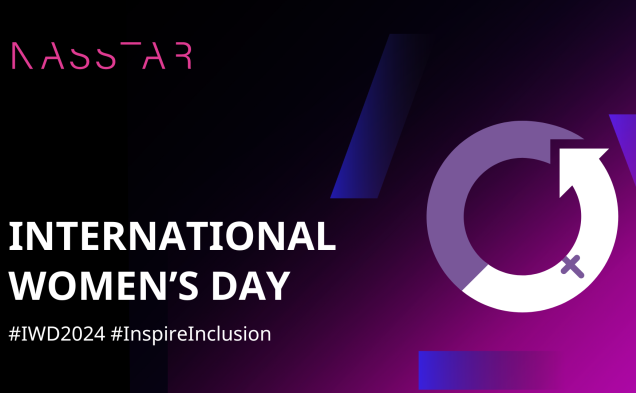
International Women's Day 2024
Read More
Image
The top 10 cloud security best practices every business should know
Read More
Image
What are the security risks of cloud computing?
Read More
Image
Employee Empowerment: Giving back to our communities
Read More
Current page
1
Page
2
Page
3
Page
4
Page
5
Page
6
Page
7
Page
8
Page
9